

What follows is a public service announcement on behalf of all teachers who have students at intermediate and above…
Below are examples of common mistakes some of my Spanish speaking students continue to make in speaking and writing at intermediate level and above, even though these are things they should have dealt with at a lower level. They…
1) …swap the pronunciation of e and i
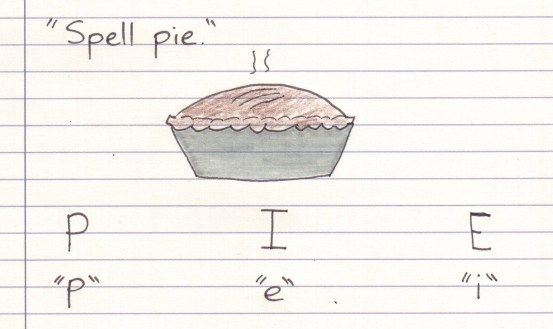
2) …incorrectly pronounce -ed words
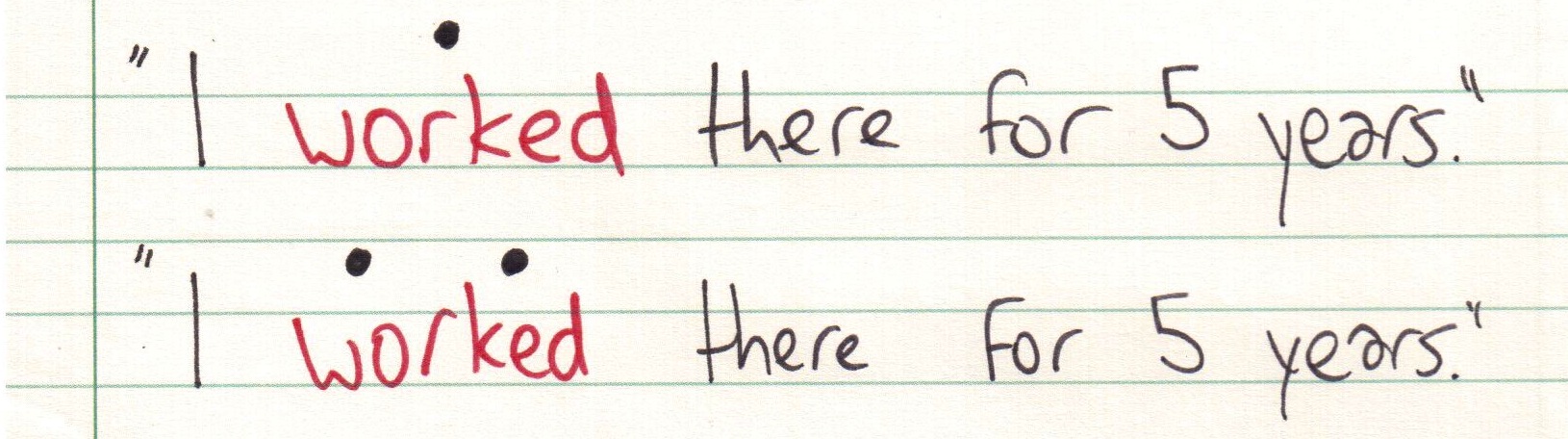
3) …write sentences like “i’m going to italy”, forgetting that capitalisation of some words is not an option

4) …and neither is spacing and the placement of punctuation

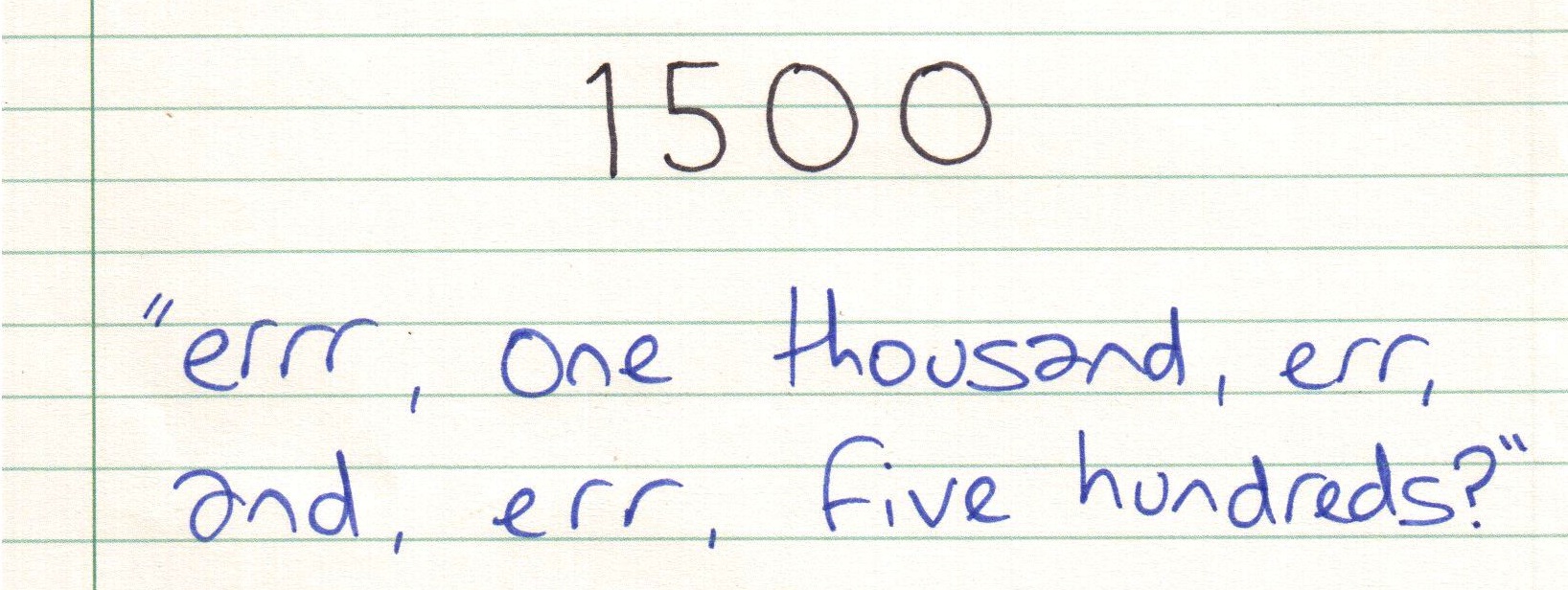
5) … get more complex numbers wrong, or they need time to think about it
6) …confuse he and she

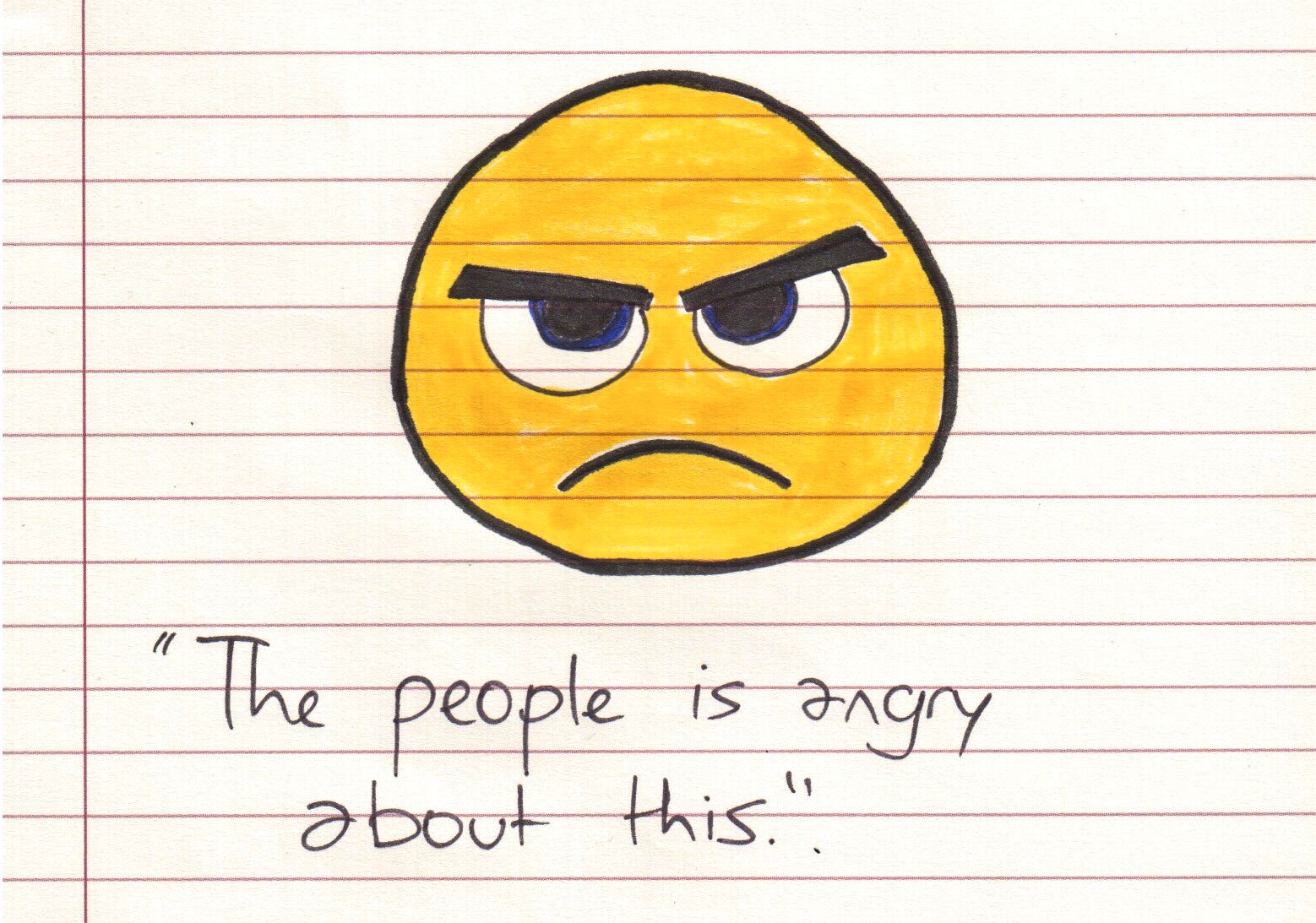
7) …make basic verb errors
I understand why these happen. If we’re teaching lower levels, you have to prioritise and decide what’s important. We can’t and shouldn’t correct all their errors, it’s just not feasible and it would drive them mad if we did. My intermediates also have a lot of trouble with prepositions and phrasal verbs, which is definitely understandable. There’s no teacher in the world who can teach students to master that anarchic and messy bit of the language. So it’s okay to let them get those wrong for a bit.
However, the ones I listed above are not the kinds of mistakes that we should be letting go of, they are fundamental aspects of the ability to communicate at a higher level. If we don’t teach them now, then another teacher will have to do it later when they really shouldn’t have to. If I’m trying to work with them on the passive voice, or conditionals, or the language of polite disagreement and so on, we don’t have time to deal with these.
Of course the students also have a responsibility here. It may well be that we’ve done your bit and taught them appropriately, and they just haven’t done the work. But these are the kinds of errors that will show up repeatedly after we’ve moved on to another language point, and I think this is one of those occasions where we really need to be a bit strict, talk to them about it and make sure they correct themselves. In other words, a bit less of a ‘collaborator’ and a bit more of a ‘teacher’.
So prioritise by all means, but think carefully about what you are selecting, because they’ll have to learn it at some point and it might be you who’s having to fit it into your already busy schedule. Now I’m going to teach my beginner class, and I promise you, I’ll won’t let these mistakes slide, for your sake.


 The Teacher James